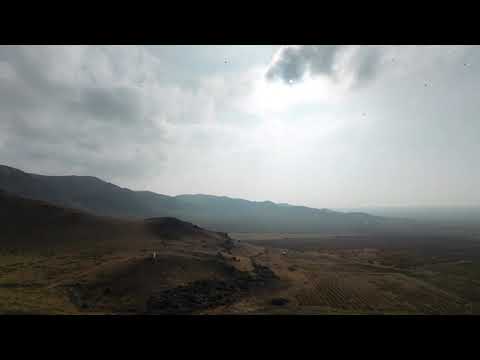
Solen Aragatsavan
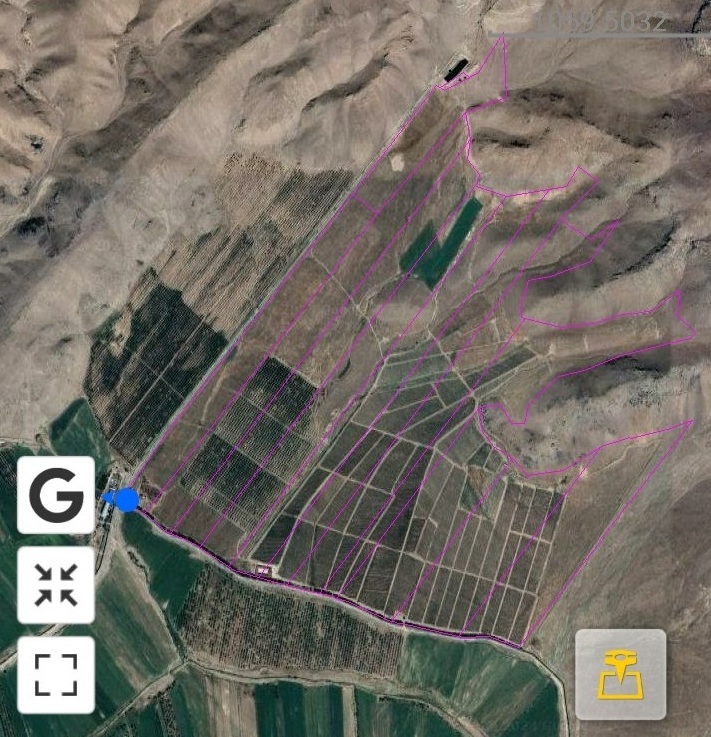
Gravity energy storage plant
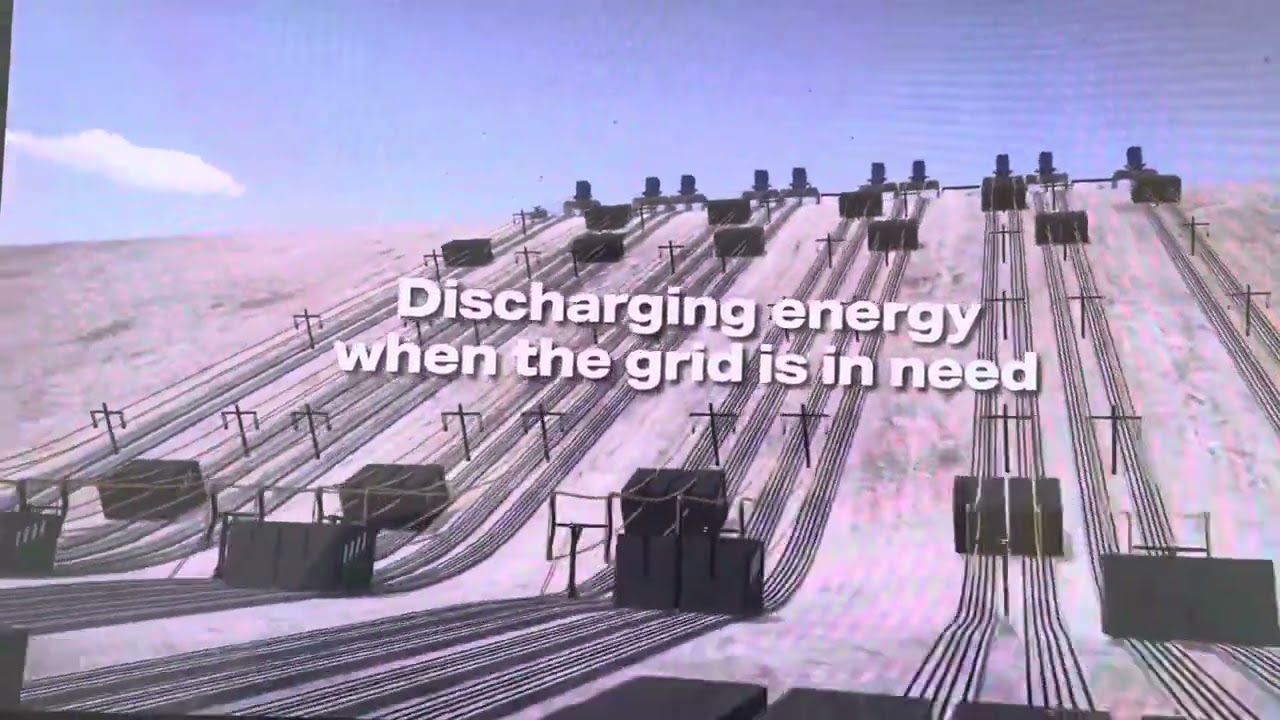
A gravity-based solar power plant operates on the following principle: During peak solar power generation periods, massive blocks are raised to a mountaintop and then, at the right time, are lowered by gravity, thereby generating electricity.

Metal structures
Agro-mounted structures will likely be used to attach solar panels and grow vineyards underneath them. This increases the project’s efficiency, as it allows for grape harvesting while simultaneously generating green electricity.
Examples of successful projects:
An Italian winery installed photovoltaic solar panels in its vineyards and discovered that they improve wine quality.
September 22, 2024 (reve)
Photovoltaic solar panels in vineyards have revolutionized winemaking, improving wine quality and protecting the environment!
Agrovoltaics has already proven itself to be a promising tool for both agriculture and the renewable energy sector. However, it was not yet known that this technology could also benefit winemaking.
Svolta Winery, located in the Italian region of Puglia, discovered that implementing agrivoltaic energy systems in its vineyards not only helps mitigate the effects of climate change but also slows grape ripening, resulting in significantly improved wine quality.
Furthermore, this technology has enabled the cultivation of grape varieties uncommon in the region, while providing economic and environmental benefits such as water savings and solar energy production on the same land where the vines are grown.
An Impressive Agrivoltaic Installation
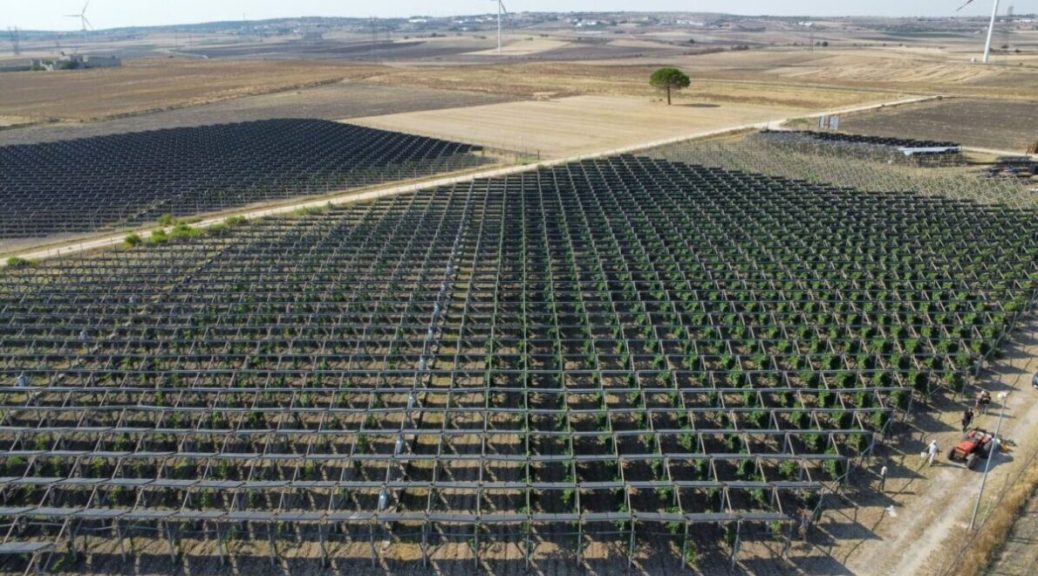
The project, called Vigna Agrivoltaica di Comunità, includes 7,770 two-part thin-film solar panels with a total capacity of 970 kW.
The solar panels are oriented south at an angle of 28 degrees. They are mounted on a concrete structure resembling the pergola typical of Italian vineyards. The vines grow underneath, protected from wind and heat. The secret lies in the shade. The shade from the solar panels delayed the harvest in the Svolta vineyards by three to four weeks compared to surrounding vineyards, for both white and red grapes.
This year, the Vigna Agrivoltaica di Comunità vineyards harvested at the end of August, while in other regions, it occurred several weeks earlier.
How does this affect wine quality? Less sun exposure slows the accumulation of sugar in the grapes, improving the balance between alcohol and acidity during fermentation. According to Svolta, this allows for the production of high-quality wines without the need for corrective intervention.
The agrivoltaic system improved plant water stress, protected the grapes from extreme weather conditions, and halved wind speed compared to open fields. The winery conducted technical studies that showed a reduction in irrigation water consumption of up to 20% and an increase in land yields from 20% to 60%. New grape varieties under study
SVOLTA grows over 30 grape varieties in the Puglia region, hoping to discover new surprises next year. The winery plans to produce sparkling wines from white grapes, which the winery believes will benefit particularly from the agrovoltaic system.
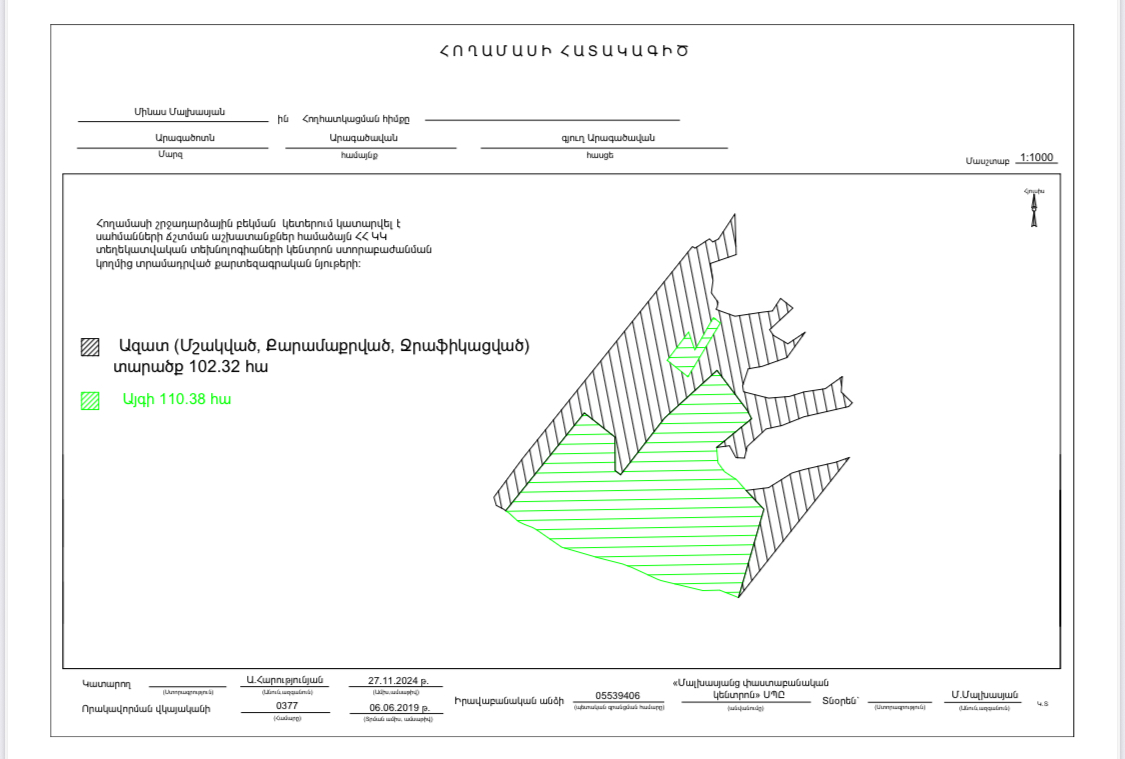
Site plan